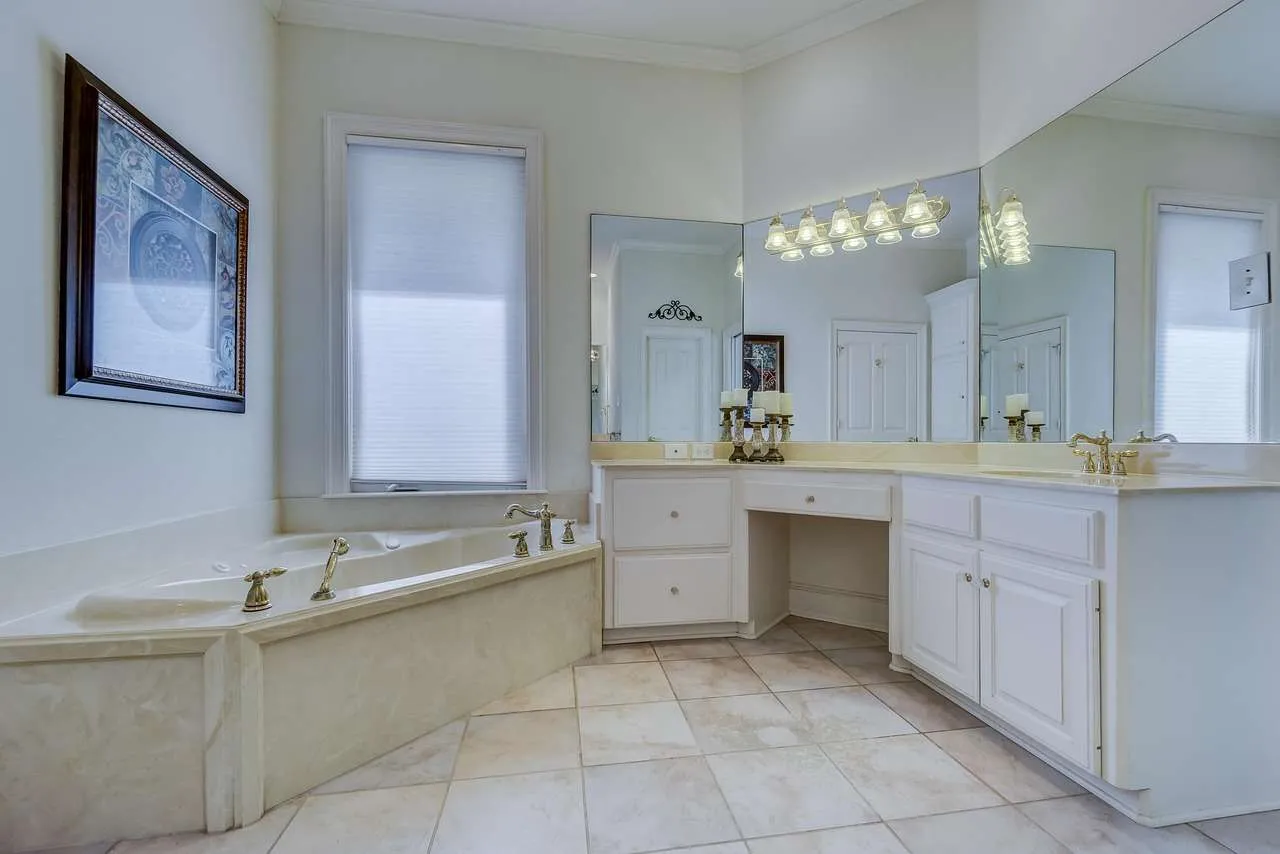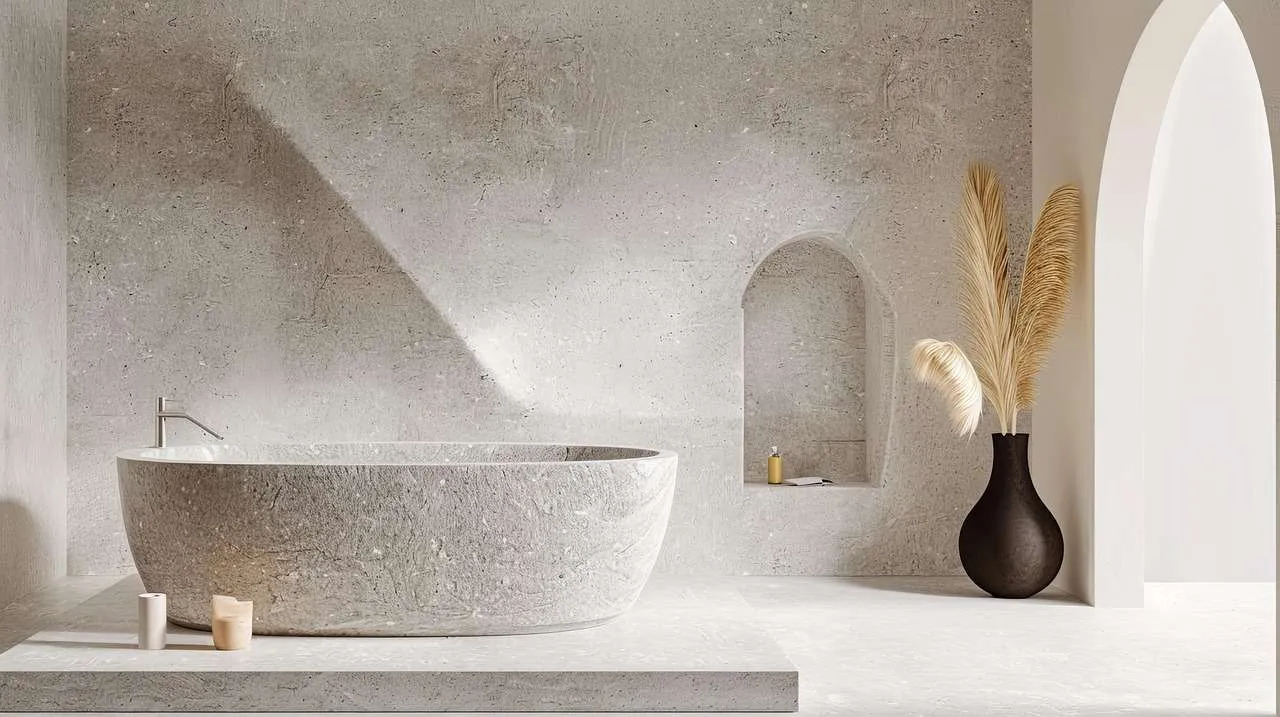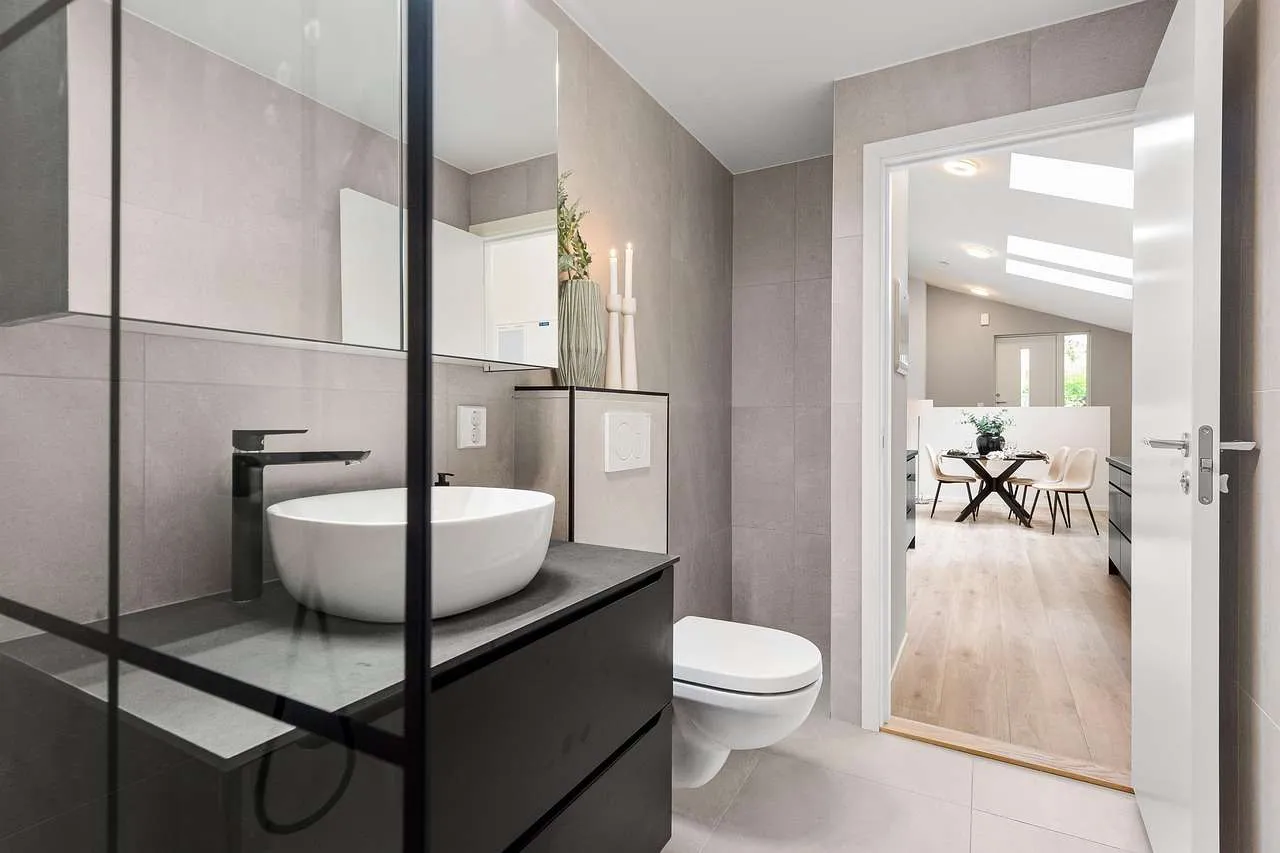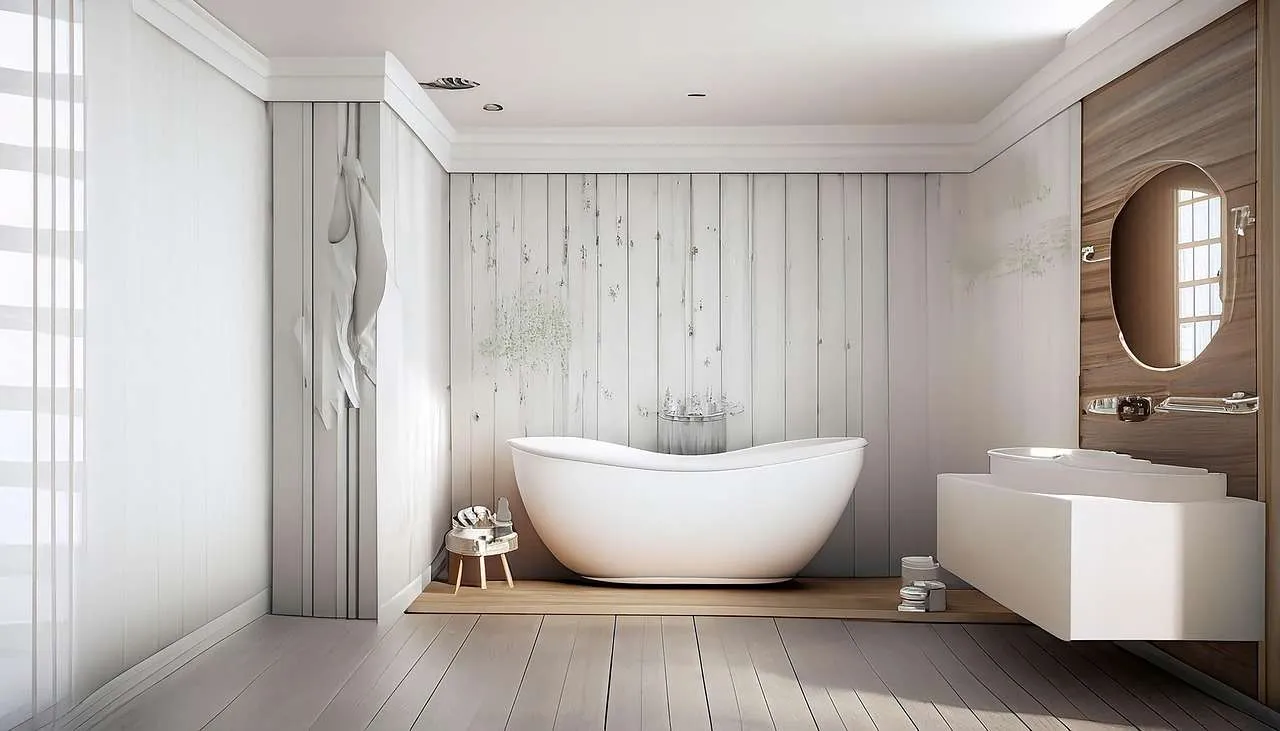
Small bathrooms pose a design challenge, but with the right ideas you can create a space that's both functional and beautiful. This guide shares small bathroom ideas that maximize every inch, from layout and fixtures to lighting and storage. Drawing on architectural basics and interior design best practices, these tips help you achieve a stylish, durable space that stands up to daily use.
Smart layout for small bathrooms
Layout is the foundation. For tight rooms, consider wall-mounted fixtures to free floor space and a pocket or sliding door to prevent door swing interference. A corner shower with a frameless glass panel visually expands the room. If there’s room for a bathtub, a compact alcove tub can fit without crowding other elements. When possible, keep the toilet and vanity aligned along one wall to create clear sightlines.
Choose safe, space-efficient fixtures
Compact vanities with integrated storage, pedestal or wall-hung toilets, and slim consoles reduce bulk. A wall-hung vanity with a shallow countertop keeps space for using the sink and storage above or on the sides.
Color, materials, and light
Light colors and reflective surfaces bounce light, making a small bathroom feel larger. Use large-format porcelain tiles with minimal grout, glass shower enclosures, and mirrored surfaces. Consider a single cohesive material palette to avoid visual clutter.
Mirrors and translucence
Full-length mirrors or mirrored cabinet doors multiply light. Frosted glass for privacy, transparent glass for the shower, and clear acrylic organizers can help you see storage at a glance.
Storage strategies
Vertical storage, recessed niches, above-toilet cabinets, and pull-out organizers use every inch. Think recessed niches for shampoo and soap, slim medicine cabinets above the sink, and tall, narrow cabinets that fit beside the vanity without crowding the doorway.
Fixtures and finishes
Wall-hung toilets, compact vanities with deep drawers, and corner sinks decrease bulk and make cleaning easier. Choose moisture-resistant materials and durable finishes such as quartz countertops, porcelain tile, and high-quality enamel to maintain a fresh look over time.
Lighting and ventilation
Layered lighting improves perception of space. Combine ceiling downlights with mirror lighting and a subtle under-vanity glow. Ensure proper ventilation to prevent moisture buildup, which protects both fixtures and finishes.
Materials and finishing touches
Durable, moisture-rated materials matter in small bathrooms. Favor porcelain or ceramic tiles, planks or large-format panels, and sealed cabinetry. A cohesive palette—light neutrals with an occasional accent—feels larger and calmer.
Budget and maintenance
Plan by priorities: waterproofing and ventilation come first, then storage and fixtures. Consider a mix of DIY updates and professional help for plumbing or electrical work. Routine cleaning with non-abrasive products extends finish life and preserves shine.
Comparison of layout options
| Layout option | Pros | Cons | Best for |
|---|---|---|---|
| Walk-in shower with glass door | Open feel, easy cleaning | Requires space or zoning | Smaller baths with modern style |
| Corner shower with sliding door | Maximizes floor area | Shower width can be narrow | Tight footprints |
| Wall-hung toilet and compact vanity | Less bulk, easier cleaning | Needs sturdy wall support | Modern, space-saving layouts |
Note: The table provides general guidance; verify dimensions and local codes for your project.
Implementation checklist: measure, plan, source moisture-rated materials, and hire licensed trades where required.
Summary: In small bathrooms, the key is to balance space-saving layouts with thoughtful storage, durable materials, and layered lighting. By selecting compact fixtures, light colors, and glass or mirrors, you create an opening feel while keeping daily usability intact. This approach ensures both functionality and lasting appeal, aligned with EEAT standards of quality and trust.