Choosing bathroom tiles is about balancing style, durability, and hygiene. Tiles protect walls and floors from water while defining the room's mood. From timeless ceramic to contemporary glass, the right tiles can elevate a bathroom's design and resale value. This guide covers essential choices, maintenance, and practical tips to help you select tiles with confidence, whether you are renovating a powder room or updating a full master bath.
Understanding the Purpose of Bathroom Tiles
In wet environments, tiles provide a water resistant surface that can withstand daily humidity and splashes. Choose tiles with appropriate slip resistance for floors and glazed surfaces for walls to simplify cleaning. The goal is a surface that looks good, lasts long, and supports safe use for all ages, which aligns with reputable installation practices and durable materials.
Popular Tile Materials
Ceramic Tiles
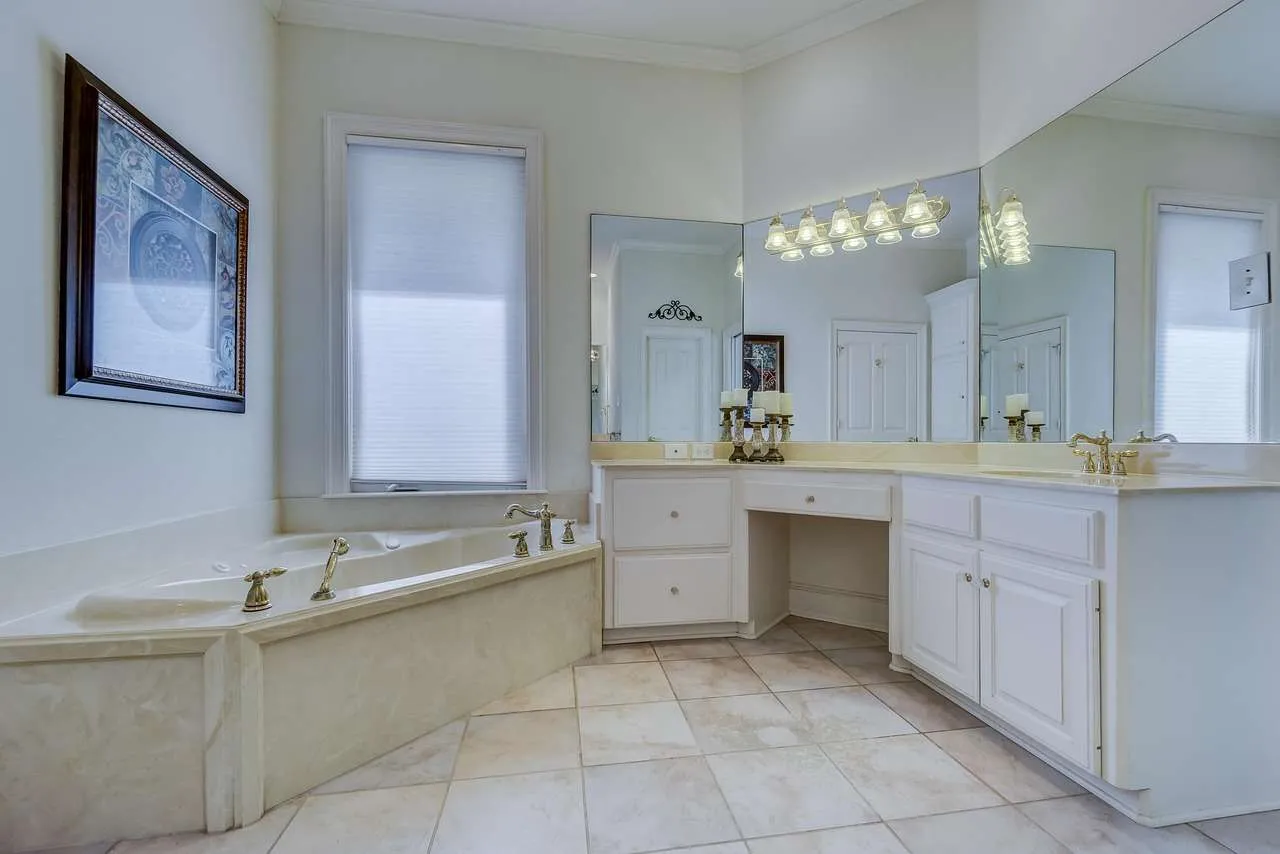
Ceramic tiles are budget friendly and come in a wide range of colors and patterns. They are easy to cut, quick to install, and suitable for walls and many floor applications. For busy bathrooms, choose a glaze with a protective finish and a slip resistant foot traffic rating.
Porcelain Tiles
Porcelain is a dense form of ceramic with low porosity, making it highly water resistant and durable. It performs well in floors, showers, and steam prone areas. It can be more expensive and require precise cutting, but it offers longer service life for high traffic bathrooms.
Natural Stone Tiles
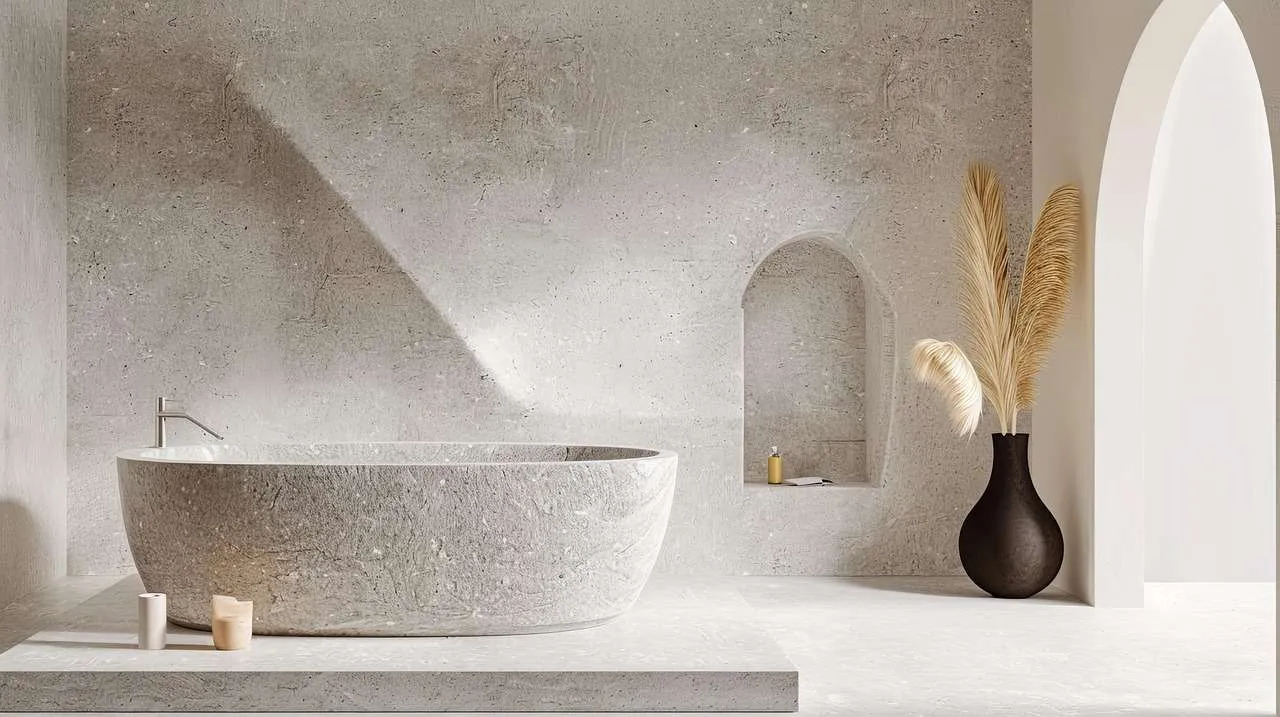
Natural stone such as marble, travertine, or slate delivers a premium, unique look. Stone is porous and often requires sealing to prevent staining and moisture intrusion. Regular maintenance, including resealing and appropriate cleaners, helps preserve its beauty over time.
Glass Tiles
Glass tiles create reflective surfaces that brighten small bathrooms and provide a contemporary feel. They resist staining and are easy to clean, but they can be prone to showing water spots and are more fragile than ceramic or porcelain when handled during installation.
Large-format and Mosaic Options
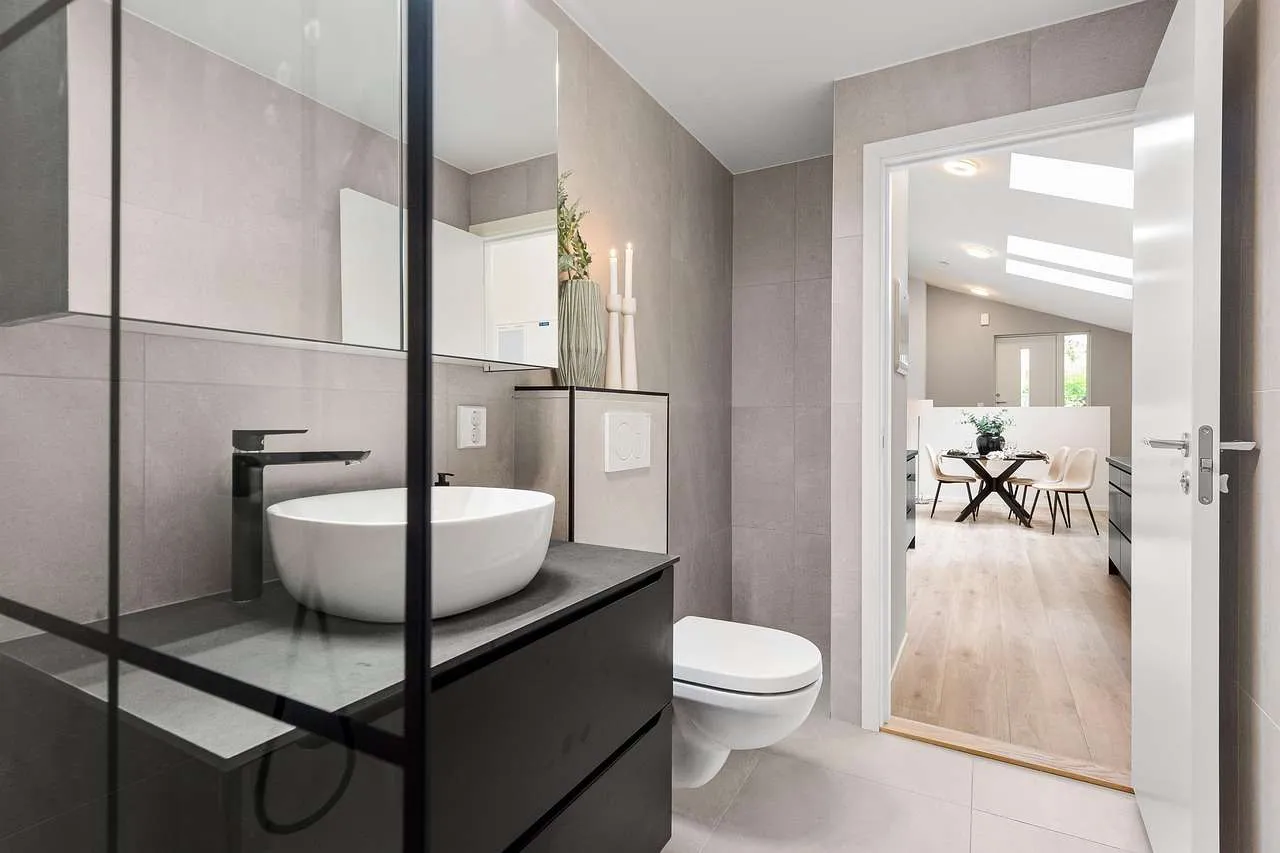
Large format tiles reduce grout lines, creating a seamless look in modern bathrooms. Mosaic sheets offer creative flexibility for shower niches, borders, and backsplashes. Both choices influence installation cost and tool requirements.
Finish, Texture, and Size Choices
Finish affects look and maintenance. Matte finishes hide smudges and show fewer water marks, while high gloss surfaces emphasize color and light. Texture adds slip resistance on floors; for showers, aim for R10 or R11 rated tiles. Sizes range from compact one by one foot to oversized planks; larger tiles can create a spacious effect, but may require careful substrate smoothing and professional leveling.
Planning and Layout
Before buying, measure the space, calculate tile quantity with waste factor, and plan a layout that minimizes cut waste. In wet zones such as showers, install waterproofing membranes and proper grout seals to reduce moisture migration. Consider patterns like running bond, herringbone, or vertical stacks to align with room geometry and lighting. A professional installer can confirm substrate readiness and provide guidance on appropriate underlayment and backer board.
Maintenance and Care
Regular cleaning with pH balanced cleaners and gentle scrubbing preserves color and finish. Grout lines tend to attract staining; sealing grout and resealing when needed extends its life. Avoid harsh chemicals that can degrade sealants, and dry surfaces after showers to minimize mildew risk.
Cost, Installation, and Practical Tips
| Tile type | Pros | Cons | Typical price per sq ft |
|---|---|---|---|
| Ceramic | Budget friendly, wide range | Less durable on floors | $1-$5 |
| Porcelain | High durability, water resistant | Harder to cut, installation more demanding | $2-$8 |
| Natural Stone | Premium look, unique veining | Porous, sealing required | $5-$15 |
| Glass | Bright, modern finish | Slippery when wet, edges chip | $6-$20 |
Design ideas and style guides
For timeless bathrooms, pair neutral wall colors with classic ceramic or porcelain tiles in subway or large rectangular shapes. Use a contrasting grout to emphasize pattern or a matching grout for a seamless field tile. Accent with a glass tile band or a bold marble look on a shower niche to create focal points. Matching tile to vanity hardware and fixtures can harmonize the room, while selecting a grout color that hides routine cleaning keeps the space looking fresh longer.
Conclusion, choosing bathroom tiles requires balancing durability, maintenance, and aesthetics. Start with the room's moisture zones, pick materials with appropriate wear ratings, and design around lighting and size. A measured plan, quality underlayment, and proper sealing help ensure a long lasting, beautiful bathroom that performs well in daily life.