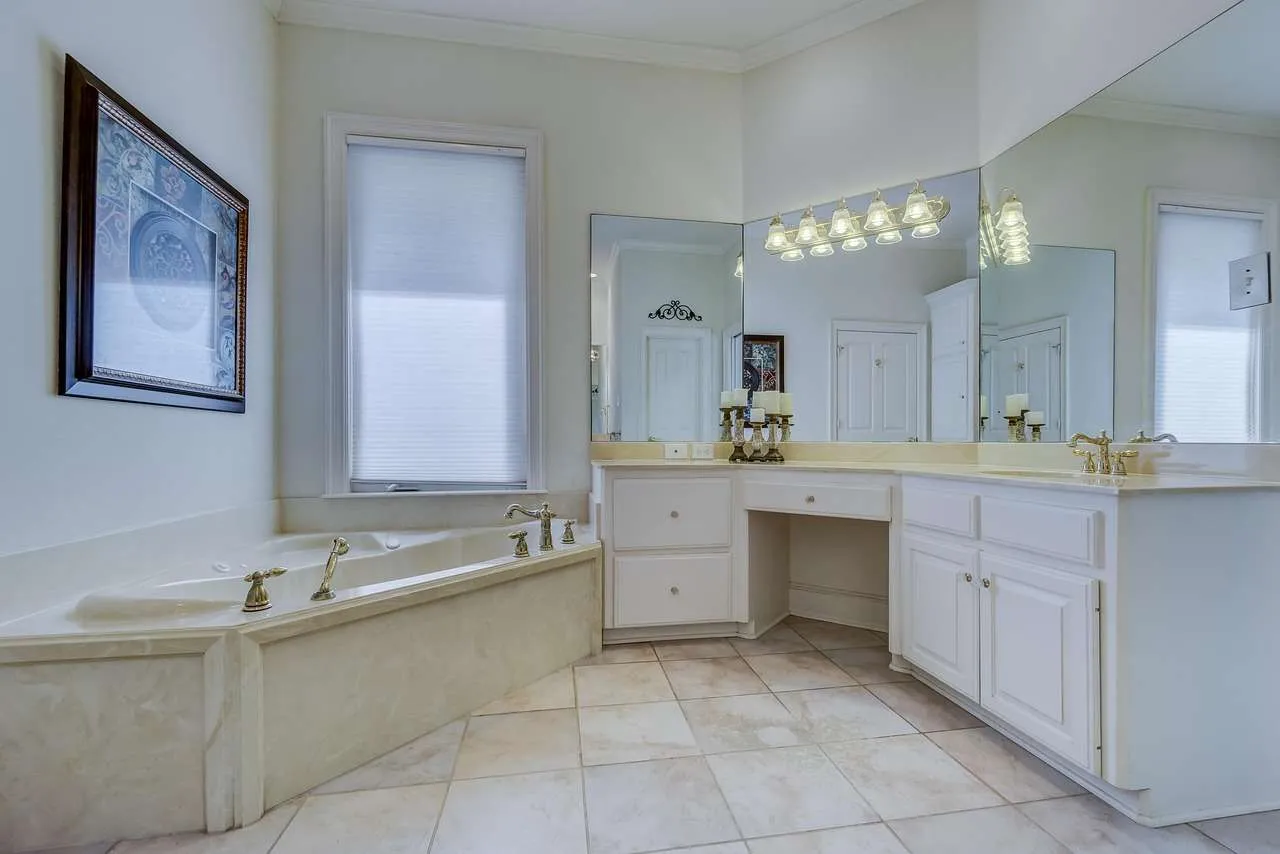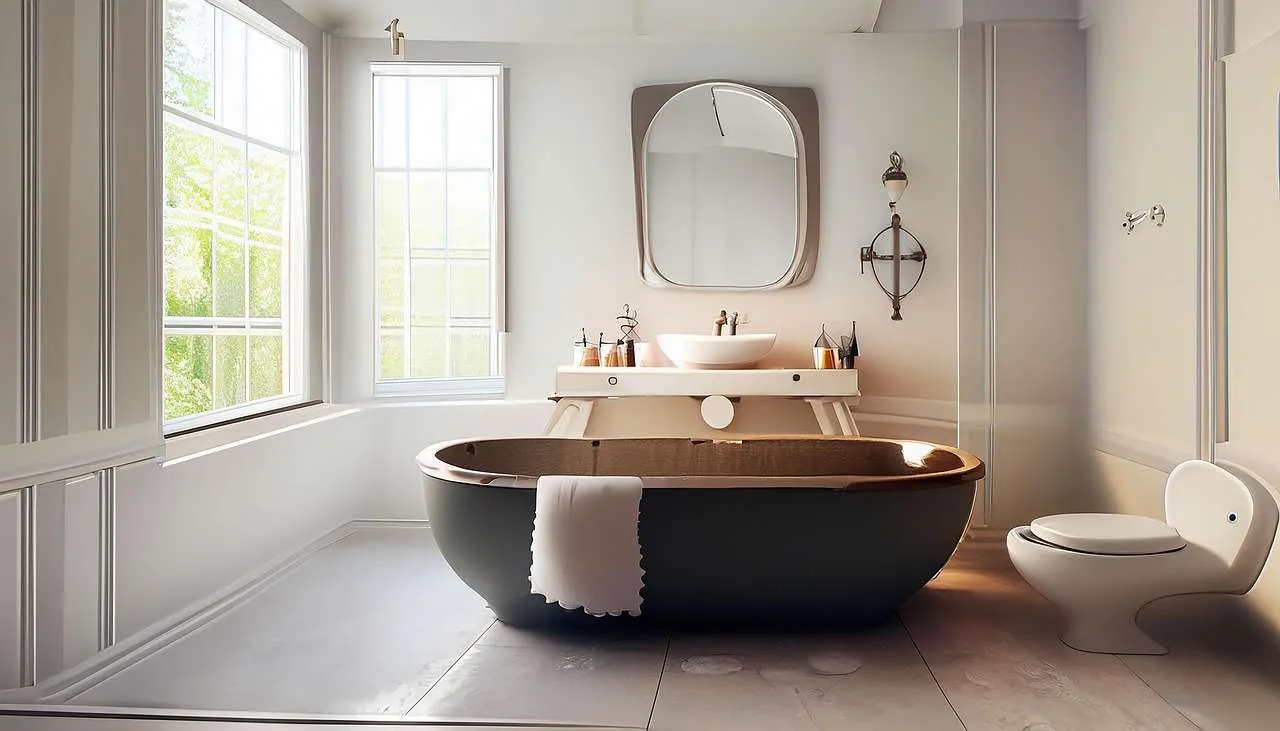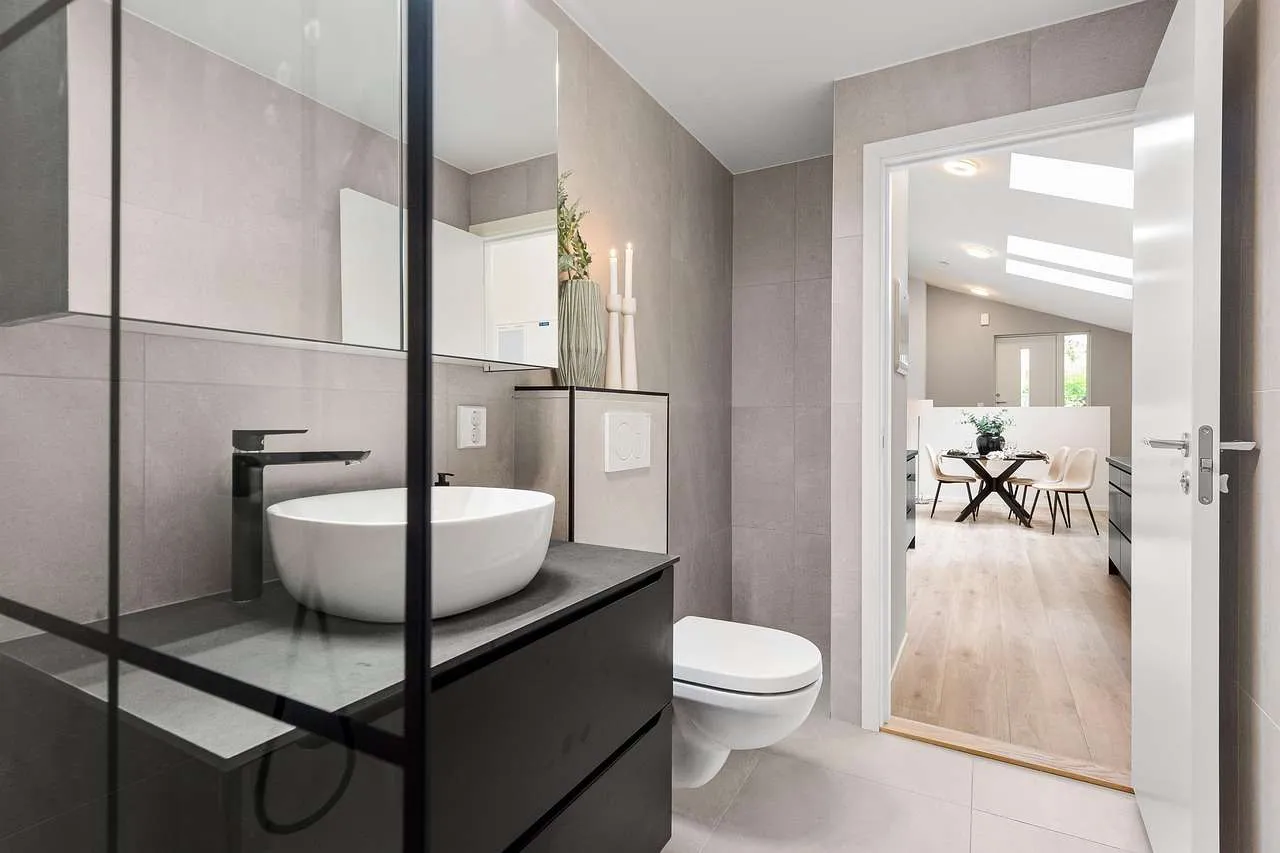
When designing a bathroom, tile is more than decor; it sets the foundation for durability, safety, and style. A thoughtful tile choice improves moisture resistance, simplifies maintenance, and increases home value. This guide presents expert insights into bathroom tile options, installation best practices, and ongoing care, drawing on industry standards to help you make informed decisions.
Types of bathroom tile
There are several commonly used tile families for bathrooms. Each offers distinct advantages in terms of water resistance, style, and cost.
Porcelain and ceramic
Porcelain tile is a dense, low-absorption option ideal for wet areas. It typically has water absorption below 0.5% and excellent durability, making it suitable for floors and showers. Ceramic tile is affordable and versatile, with higher absorption and a broad range of colors and textures. For splash zones, both can be sealed or grouted for long-term performance.
Natural stone and glass
Natural stone such as marble, travertine, or slate adds luxury but requires more maintenance and sealing. Glass tiles provide reflective brightness and are great for small spaces or backsplashes; they may require careful installation to prevent hazing and ensure slip safety on floors.
Large format and patterns
Large-format tiles reduce grout lines and create a seamless look, but subfloor flatness and cutting accuracy increase installation complexity. Subway and geometric patterns offer timeless appeal and can be adapted for both traditional and contemporary bathrooms.
Choosing tile: key factors
- Moisture resistance and water absorption: look for low absorption and a high PEI rating for floors.
- Slip resistance: for floor tiles, check the COF (Coefficient of Friction) rating to minimize slip hazards when wet.
- Durability and wear: consider traffic, cleaning schedules, and environmental exposure in bathrooms with showers or soaking tubs.
- Size and layout: larger tiles reduce grout maintenance; smaller tiles offer more design options and better water sealing in complex shapes.
- Maintenance and sealing: natural stone often requires periodic sealing; porcelain and ceramic usually require fewer sealants.
Installation essentials
Preparation matters. A solid substrate, moisture barrier, and appropriate underlayment form the foundation. For wet zones, install a waterproof membrane behind the tile and use compatible grout with proper sealing. Professional installation ensures accurate spacing, level tiles, and long-lasting results.
Maintenance and care
Regular cleaning with pH-neutral cleaners preserves color and finish. Wipe up water on grout lines to prevent mold; reseal natural stone as recommended by the manufacturer. Avoid harsh abrasives that can scratch porcelain or ceramic surfaces.
Design ideas and trends
Neutral monochrome palettes, warm earthy tones, and subtle textures remain popular. Combine large-format tiles with decorative trims or colorful mosaics to create focal walls or shower niches. Balanced contrast between wall and floor tiles enhances perception of space and cleanliness.
Comparison of common bathroom tile options
| Tile Type | Water Absorption | Durability | Maintenance | Estimated Cost |
|---|---|---|---|---|
| Porcelain | Very Low | High | Low to Moderate (grout sealing optional) | Medium-High |
| Ceramic | Low to Moderate | Moderate | Low | Low to Medium |
| Natural Stone | Moderate to High (varies by stone) | Moderate to High | High (sealants required) | High |
| Glass | Low | Moderate | Low to Moderate | Medium |
| Mosaic (small format) | Low to Moderate | Depends on content | Moderate | Medium |
When choosing between options, assess your comfort with maintenance, budget, and the wear pattern of the space. A balanced combination—porcelain or ceramic floors with glass or ceramic wall tiles, plus stone accents—often yields durable, stylish results.
Conclusion, choosing the right bathroom tile—porcelain or ceramic for durability, stone for luxury, and appropriate wall options—offers lasting moisture resistance, easy maintenance, and timeless style. By selecting the right type, pattern, and installation approach, you ensure a functional, beautiful bathroom for years.